What matters when choosing road bike tyres?
Road bike tyres are available in different constructions, each with its own strengths. These criteria help with the selection:
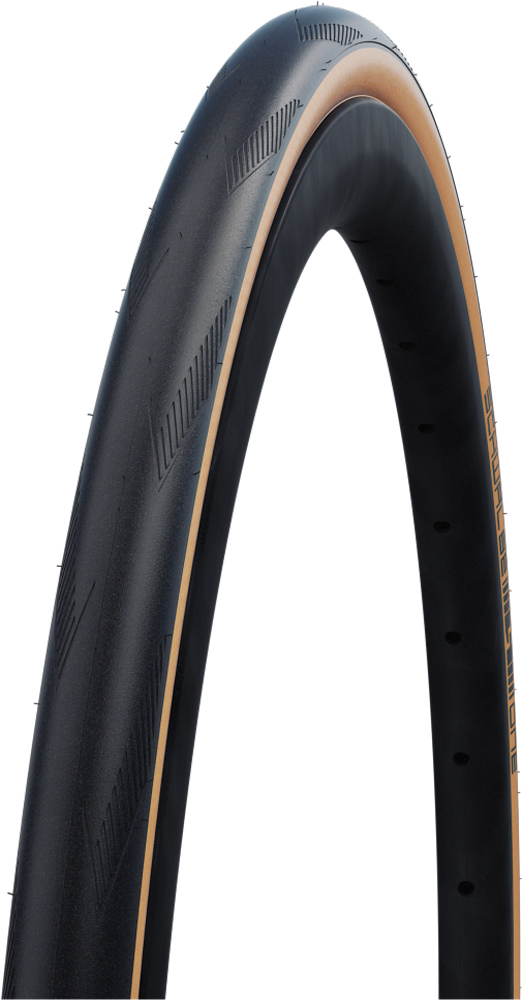
- Folding tyres and wired tyres: Both are clincher tyres whose beads hook securely into the rim. They are usually ridden with an inner tube, are easy to fit and to repair on the road – which makes them the most widely used type of road bike tyre. Wired tyres have a steel bead and are the affordable option for training and everyday riding. Folding tyres use a bead made of aramid (Kevlar) instead of steel: this makes them lighter, more supple and foldable, so a spare can easily be carried on long rides. Many high-end folding tyres are also tubeless ready. One of the most popular all-rounders is the Continental Grand Prix 5000 – including the current tubeless-ready S TR version – which has won numerous tests thanks to its low rolling resistance, precise handling and reliable puncture protection.
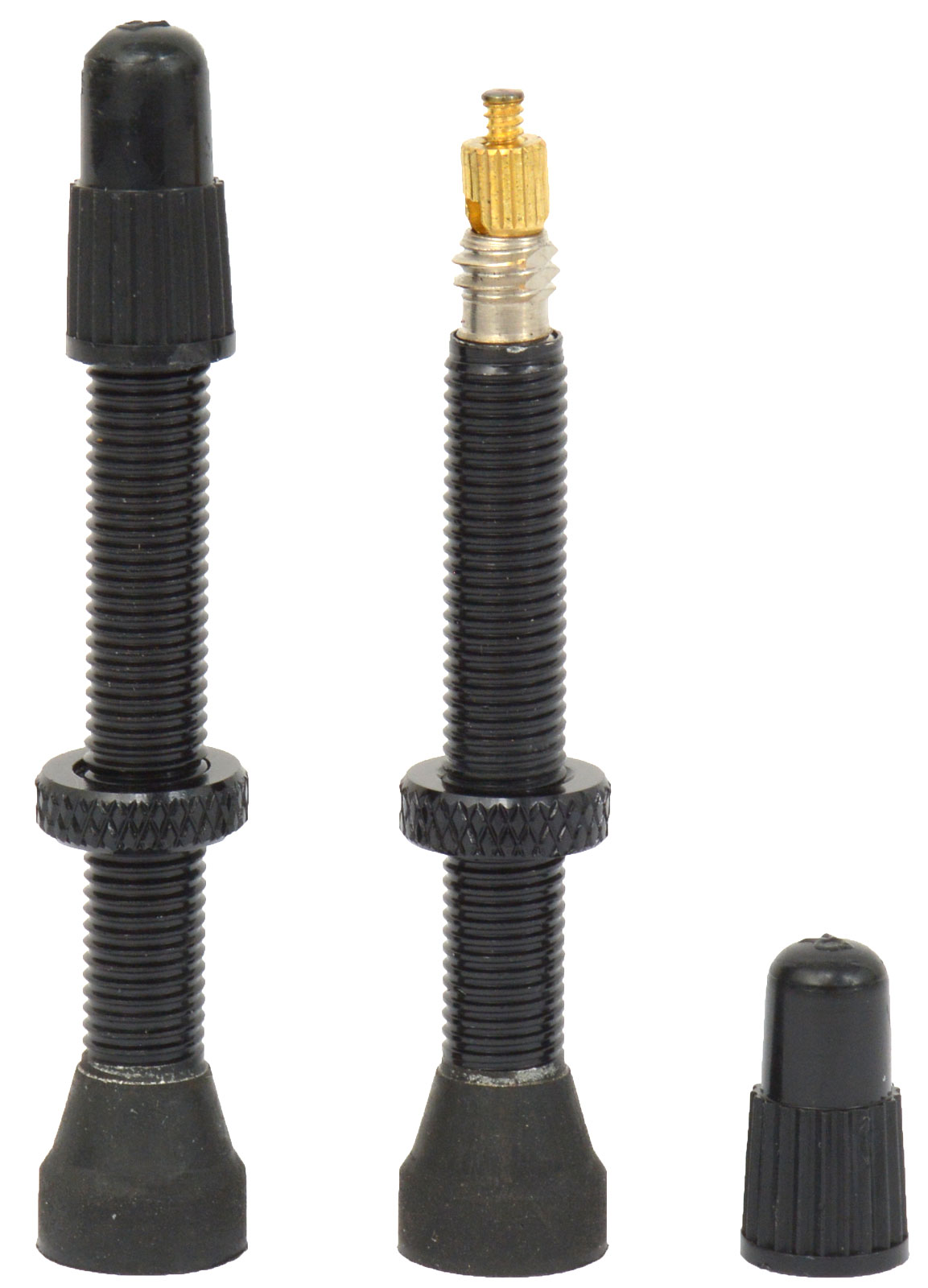
- Tubeless road bike tyres: Tubeless-ready tyres (often labelled TLR, TLE or TR) are mounted on a tubeless-compatible rim without an inner tube and sealed with tyre sealant. The advantages: lower rolling resistance, more comfort and grip thanks to lower tyre pressure, and small punctures are sealed automatically by the sealant – often without the rider even noticing. Fitting is a little more involved: rim tape, tubeless valves and sealant are required, and a tubeless tank or powerful floor pump helps the tyre seat on the rim. On hookless rims, only tyres approved for hookless use may be fitted and the manufacturer's maximum pressure must be observed.
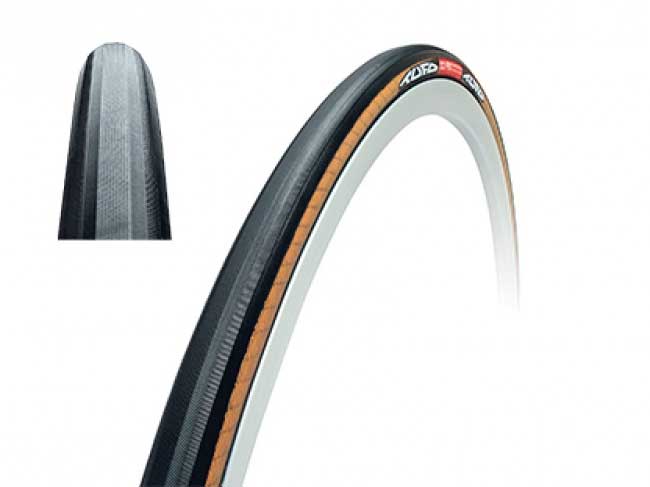
- Tubular tyres: With tubulars, the casing is sewn around the inner tube and glued or taped onto a special tubular rim. They are very light, offer an excellent ride feel and can still be ridden for a short distance after a puncture, which is why they remain popular in professional racing and cyclocross. The downside: after a flat, the entire tyre has to be replaced and glued on again – which is time-consuming and expensive. Tubulars are therefore more of a race tyre than a training favourite.
- Tyre width: Modern road bikes increasingly use wider tyres. 25 mm used to be the standard, but today 28 mm has become the most common width, and many endurance and all-road bikes use 30 to 32 mm. At the same pressure, wider tyres often roll just as fast or even faster on real roads, offer more comfort and grip and are less prone to pinch flats. Narrow tyres (23 to 25 mm) are mainly used for time trials or on older frames with limited clearance. The maximum tyre width approved by the frame and fork manufacturer and the internal width of the rim must always be taken into account. Even wider tyres for gravel and cyclocross can be found under gravel and cyclocross tyres.
- Intended use and compound: Race tyres focus on low weight and minimal rolling resistance, training and endurance tyres on durability and puncture protection, for example thanks to reinforced breakers. For rides in cold, wet conditions, road winter tyres with a grippy all-season compound are the right choice. Special tyres for triathlon and time trials and for training indoors on a smart trainer (turbo trainer tyres) complete the range.
New road bike tyres: frequently asked questions and their answers
When should road bike tyres be replaced? Road bike tyres should be replaced when the tread is worn flat, the wear indicators have disappeared, or brittle areas, small cracks, cuts or visible casing threads appear. Frequent punctures are also a sign that the tyre has reached the end of its life. As the rear tyre wears considerably faster than the front, it is usually replaced first.
Which tyre width is the right one? 28 mm is the standard on most current road bikes and offers a good balance of speed, comfort and grip. 30 to 32 mm are well suited to endurance riding, rough roads and long distances. The decisive factors are the clearance in the frame and fork and the internal width of the rim – the manufacturer specifications can be found in our product descriptions.
What tyre pressure should road bike tyres be inflated to? The ideal pressure depends on tyre width, rider weight, tyre system and road surface. As a rule of thumb, wider tyres need less pressure: 28 mm tyres are often ridden at around 4.5 to 6.5 bar, tubeless tyres usually slightly lower than tyres with inner tubes. The minimum and maximum pressures printed on the tyre and the maximum pressure of the rim must not be exceeded. An accurate floor pump with a gauge or a
tyre pressure sensor helps to check the pressure.
Which tyre fits which rim? Road bike tyres are marked with the ETRTO size, e.g. 28-622 for a 28 mm wide tyre with a 622 mm bead seat diameter (700c / 28"). The diameter must match the rim; the tyre width should suit the internal width of the rim. For tubeless use, both the tyre and the rim must be tubeless compatible.
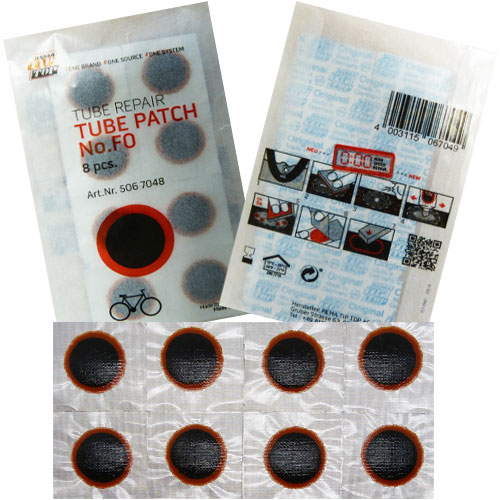
Tubes or tubeless? Tyres with inner tubes are quick to fit and easy to repair on the road. Lightweight
road bike tubes made of butyl, latex or TPU can additionally reduce weight and rolling resistance. Tubeless offers more puncture protection and comfort but requires a little more effort when fitting and regular topping up of the sealant.
If there are any questions about which tyre size fits the wheels or which road bike tyre suits the rim, our customer service is happy to help. Matching
road bike wheels,
rims,
tyre accessories and
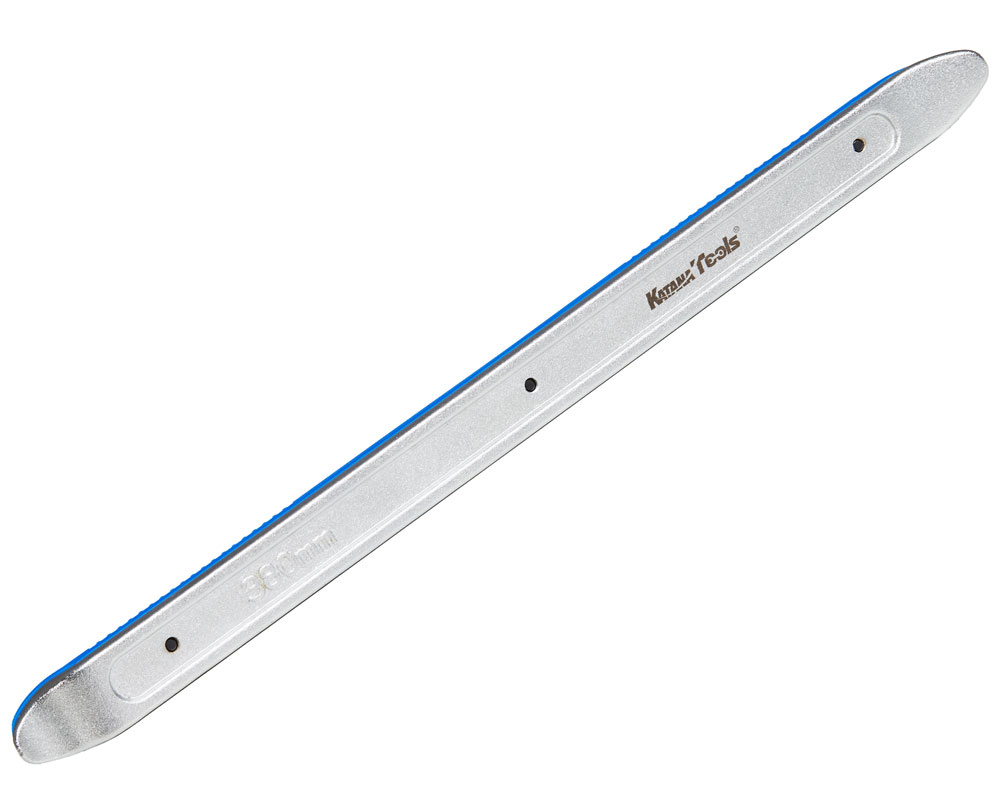
tyre tools can also be found in the
road bike parts range.
Bike-Discount offers a large selection of high-quality road bike tyres from leading manufacturers such as
Continental,
Schwalbe,
Vittoria,
Michelin and
Pirelli.